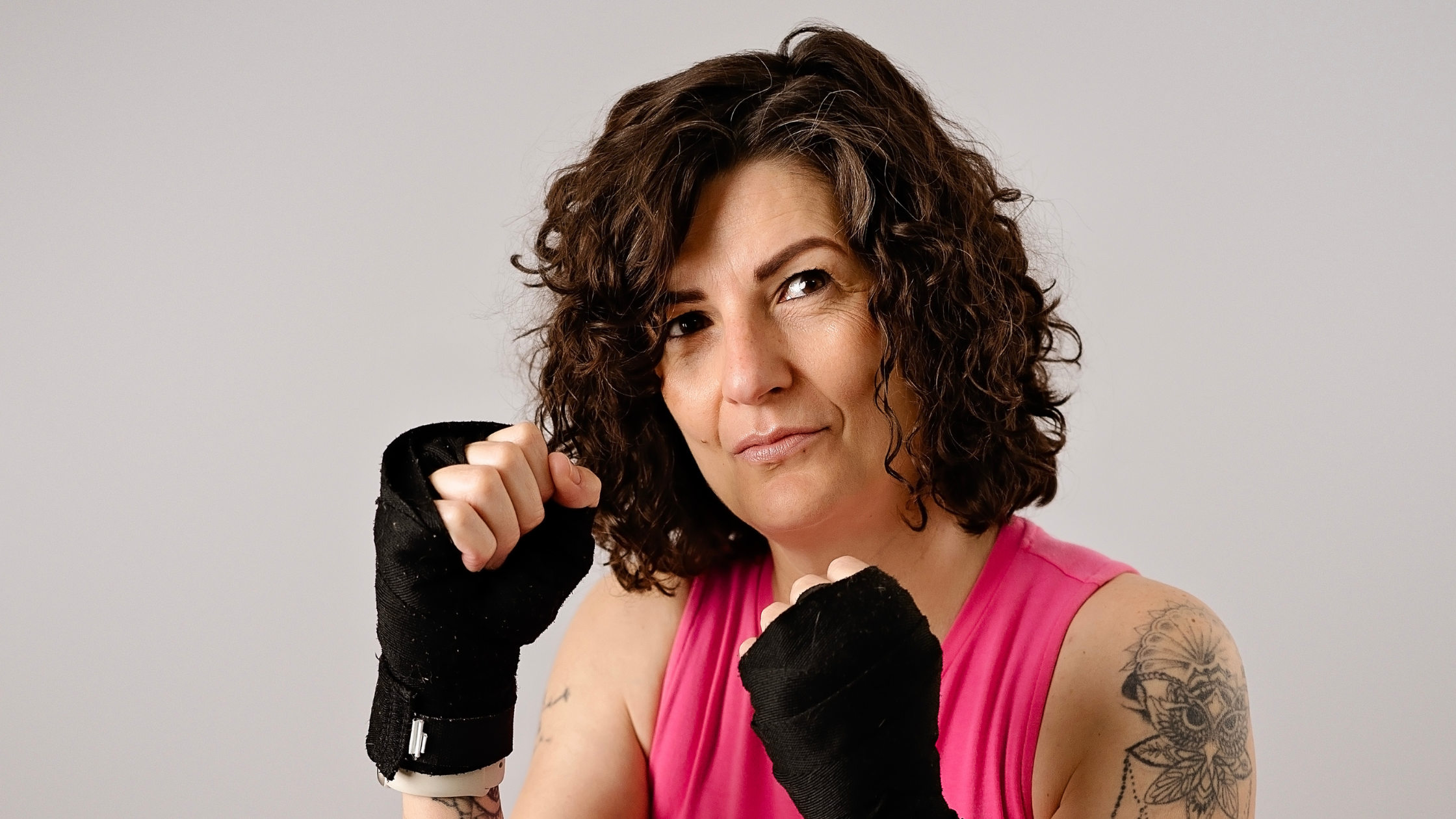

When you receive a cancer diagnosis, you naturally assume the experts in white coats have your back. You want to believe that the medical system is a safety net designed to protect, guide, and heal you.
I learned the hard way that blindly trusting authority can almost cost you your life.
When I found my lump in 2019, my gynaecologist delivered the news over the phone unceremoniously—and then kept me on birth control even though my cancer was hormone-driven. The general surgeon he referred me to performed a broad-excision lumpectomy, only for another lump to show up six weeks later. He claimed the cancer was "spreading rapidly" and offered a second surgery for free.
It was only when a close friend pushed me to see a breast specialist for a second opinion that the horrifying truth came out: the original surgeon hadn’t removed the cancer at all. He removed the wrong area of tissue and tried to cover it up with a second operation.
I was terrified, completely clueless about how to read pathology results, and had gone with the first option given to me because I didn't know I could say no.
That experience shattered my innocence, but it gave birth to my fiercest survival tool.
Step 3 of the Reclaim Programme is Advocate for Yourself.
Because no one cares about your survival more than you do.
Moving From Passive Patient to Lead Decision-Maker
In South Africa—and anywhere in the world—navigating state backlogs, private medical aids, and doctor appointments can leave you feeling small, overwhelmed, and silenced. You worry about being labelled "difficult," asking "dumb" questions, or offending a specialist's ego.
Here is the cold, hard truth: You are not being difficult. You are staying alive.
When you take charge of your medical journey, you stop seeing yourself as a helpless victim of circumstance and start seeing yourself as the CEO of your body. Doctors are your consultants, but you hold the ultimate voting power.
How to Work Step 3
Advocating for yourself is a skill you build through practical steps. Here is how you start owning your voice in the room:
Never go to a consultation alone without a strategy: Brain fog and fear will wipe your memory the moment you sit in that chair. Bring a trusted advocate with you, write your questions down beforehand, and take written notes (or ask to record the audio).
Normalise second opinions guilt-free: A doctor who gets offended by a second opinion is a doctor you shouldn't be seeing. If something feels off in your gut, get another pair of eyes on your charts immediately.
Build your own "Health File": Do not leave your records in the hands of various administrative offices. Request copies of every scan, lab report, pathology result, and surgical note. Learn what the basic terms mean, or get someone you trust to help translate them.
Ask the "Uncomfortable" Questions:
"What happens if we wait two weeks?"
"What are the alternative treatments?"
"How does this medication interact with my existing conditions?"
"Can you explain that result to me in plain language?"

Not Your Average Life Tips
Your body is your house, and you hold the keys. Medical mistakes, backlogs, and insensitive delivery happen every single day. When you learn to speak up, ask for clarity, and demand the care you deserve, you take back power over your health, your treatment, and your future.
Join the Fight
This is Round 3 of our 8-step journey toward becoming intact. If you want these steps and future content delivered straight to your inbox, Sign up for the Newsletter here.
Bring Reclaim to Your Community
Healing happens faster when we stop doing it in isolation. If you represent a support group, facility, or wellness initiative and want to bring this facilitated programme to your survivors, Reach out to me here.
Let's keep Winning the Fight!
Photo credit: @mandysteenkampphotography